The relationship between modern civilization and the natural world has long been viewed as a zero-sum game, where industrial progress inevitably leads to ecological degradation. However, we are currently witnessing a historic paradigm shift as advanced engineering and digital intelligence are repurposed to serve as the ultimate guardians of our planet’s health.
This evolution represents the birth of a new era where clean energy, resource efficiency, and biological restoration are powered by the same silicon and code that drove the digital revolution. From satellite-monitored reforestation projects to AI-driven power grids that optimize every watt of renewable energy, the synergy between human ingenuity and environmental stewardship is becoming our strongest weapon against climate change.
Understanding these innovations is no longer just for scientists or activists; it is essential for every global citizen who wishes to participate in a circular and sustainable economy. As we move forward, the most successful technologies will be those that do not just perform a function, but do so while leaving a net-positive footprint on the Earth’s delicate ecosystems. This article provides an in-depth analysis of the breakthrough solutions that are bridging the gap between high-tech progress and the urgent need for a greener, more resilient future.
The Revolution of Decarbonized Energy Grids
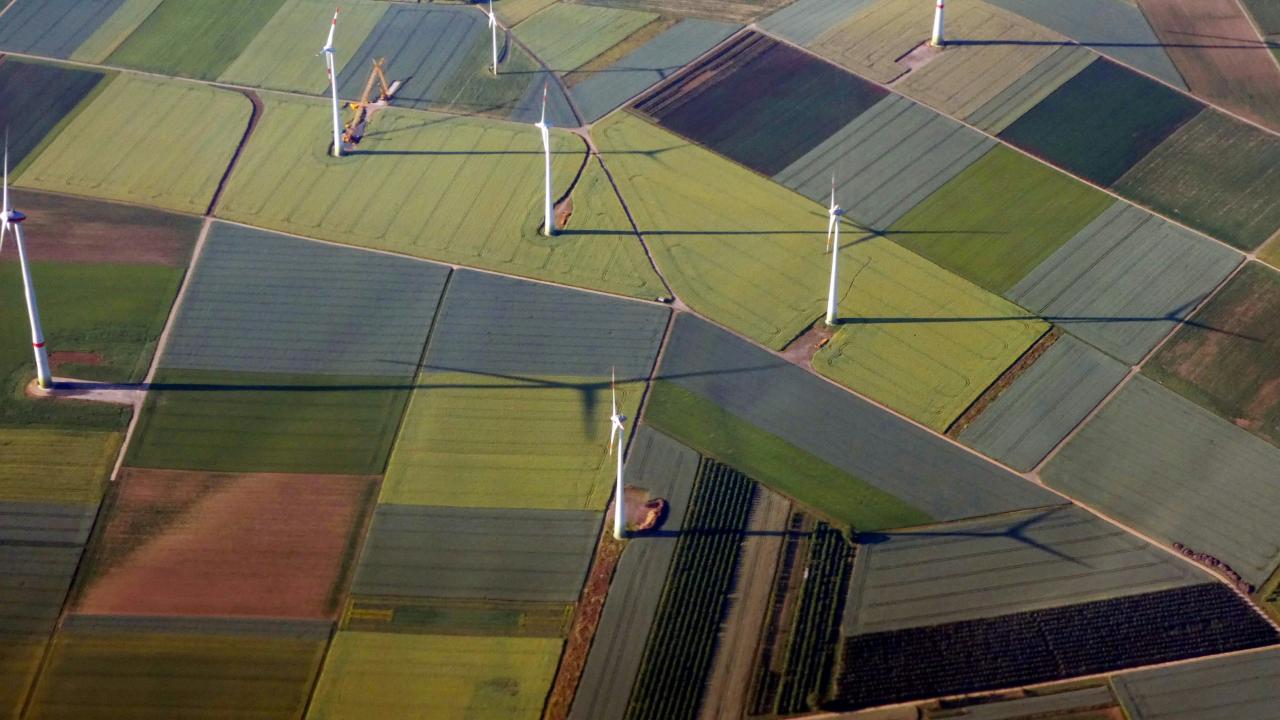
The transition from fossil fuels to renewable sources is the most significant technological undertaking of the modern era, requiring a complete overhaul of how we generate and distribute power.
A. Artificial intelligence optimizes the intermittent nature of solar and wind power.
B. High-capacity solid-state batteries provide stable storage for renewable energy.
C. Smart transformers allow for two-way energy flow in residential neighborhoods.
D. Green hydrogen emerges as a vital fuel for carbon-heavy industrial sectors.
E. Floating solar farms utilize water bodies to save land and increase efficiency.
A decentralized grid allows local communities to produce and share their own clean energy. This reduces the energy lost during long-distance transmission and increases overall grid resilience.
By using predictive analytics, utility companies can anticipate weather changes and adjust energy loads accordingly. This ensures that no green energy goes to waste during peak production hours.
Precision Agriculture and Sustainable Food Systems
Traditional farming is one of the largest consumers of water and land, but new technologies are making it possible to feed a growing population while protecting biodiversity.
A. Vertical farming systems use 95% less water than traditional soil-based methods.
B. Autonomous drones monitor crop health and apply nutrients with surgical precision.
C. CRISPR gene editing creates drought-resistant crops that require fewer chemical pesticides.
D. IoT sensors track soil moisture levels in real-time to prevent over-irrigation.
E. Lab-grown proteins offer a high-efficiency alternative to resource-intensive livestock farming.
Precision agriculture ensures that every drop of water and every gram of fertilizer is used effectively. This prevents the chemical runoff that often pollutes local waterways and destroys aquatic life.
Urban farming brings food production into the heart of the city, drastically reducing the carbon emissions associated with transportation. Fresh produce can now be harvested and sold within the same zip code.
Carbon Capture and Atmospheric Restoration
Reducing emissions is critical, but many scientists believe we must also actively remove existing carbon dioxide from the atmosphere to meet global climate goals.
A. Direct air capture (DAC) plants act as giant mechanical trees to scrub CO2.
B. Carbon mineralization turns captured gas into solid rock for permanent storage.
C. Biochar production traps carbon in soil while simultaneously improving fertility.
D. Enhanced weathering uses crushed minerals to accelerate natural carbon absorption.
E. Integration of carbon capture with industrial smokestacks prevents new emissions at the source.
Captured carbon is increasingly being viewed as a raw material rather than a waste product. It can be transformed into sustainable aviation fuel, carbon fiber, or even carbonated beverages.
These technologies are still scaling, but they represent a vital insurance policy for the planet. Investing in atmospheric restoration is a key step toward achieving true net-zero status.
The Rise of the Circular Tech Economy
The traditional “take-make-waste” model is being replaced by circular systems where products are designed from the start to be reused, refurbished, and recycled.
A. Modular smartphone designs allow users to replace individual parts rather than the whole device.
B. Chemical recycling processes break down complex plastics into their original molecular building blocks.
C. Blockchain ledgers track the lifecycle of raw materials to ensure ethical and green sourcing.
D. AI-powered sorting robots increase the purity and value of recycled material streams.
E. Product-as-a-Service models encourage manufacturers to build longer-lasting, durable goods.
E-waste is one of the fastest-growing waste streams in the world, containing valuable gold, copper, and rare earth metals. Circular technology recovers these resources, reducing the need for destructive mining practices.
Designing for disassembly is the new gold standard for industrial engineers. When a product reaches the end of its life, its components should easily transition into a new manufacturing cycle.
Protecting Biodiversity with Big Data and Satellites
Technological tools are now being used to monitor and protect endangered species and fragile habitats with a level of detail that was previously impossible.
A. Satellite imagery combined with AI detects illegal logging and mining in real-time.
B. Bioacoustic sensors monitor the sounds of the rainforest to track wildlife populations.
C. Environmental DNA (eDNA) sampling identifies species presence from a single water sample.
D. Drones equipped with thermal cameras help park rangers prevent poaching activities.
E. Wildlife corridors are mapped using GPS data to ensure animals can migrate safely.
Protecting biodiversity is essential for maintaining the ecosystem services that humans depend on, such as pollination and water purification. Technology provides the data needed to make informed conservation decisions.
Global transparency platforms allow anyone to see where deforestation is happening in the world. This public accountability forces corporations and governments to honor their environmental commitments.
Water Purification and Desalination Breakthroughs
As freshwater scarcity becomes a global challenge, advanced filtration and desalination technologies are providing clean water to communities in need.
A. Graphene-based filters remove salt and contaminants with minimal energy consumption.
B. Atmospheric water generators extract moisture from the air in arid regions.
C. Solar-powered desalination plants provide a carbon-neutral source of drinking water.
D. Advanced membrane bioreactors treat wastewater for safe industrial and agricultural reuse.
E. Smart leak detection systems prevent the loss of billions of gallons in aging city pipes.
Water is our most precious resource, yet much of it is lost to inefficiency and pollution. Smart sensors can detect a pinhole leak in a city main before it becomes a major burst.
Waste-to-water technology is turning a liability into an asset by cleaning industrial discharge. This creates a closed-loop system where water is used over and over again within a single facility.
Green Building Materials and Smart Architecture
The construction industry is a major source of carbon emissions, but new materials and design software are turning buildings into carbon sinks.
A. Self-healing concrete uses bacteria to fix cracks, significantly extending the life of structures.
B. Cross-laminated timber (CLT) provides a low-carbon alternative to steel and traditional concrete.
C. Dynamic glass tints automatically to reduce the need for energy-intensive air conditioning.
D. Mycelium-based insulation offers a biodegradable and fire-resistant alternative to foam.
E. Building Information Modeling (BIM) optimizes material use to reduce construction waste.
Modern skyscrapers are increasingly incorporating vertical gardens that clean the air and provide natural insulation. These “living walls” help reduce the urban heat island effect in crowded cities.
Carbon-negative bricks are being developed that actually absorb CO2 during the curing process. This means that every new home built could potentially help clean the atmosphere.
Transportation and the Electrification of Mobility
The way we move people and goods is undergoing a total transformation, moving away from internal combustion toward silent, emission-free electric motors.
A. High-speed rail networks provide a low-carbon alternative to short-haul flights.
B. Electric cargo ships are being tested for short-distance coastal trade routes.
C. Hydrogen fuel cells provide a lightweight solution for heavy-duty long-haul trucking.
D. Micro-mobility options like e-bikes reduce traffic congestion and local air pollution.
E. Smart traffic management systems use AI to reduce idling and improve fuel efficiency.
The transition to electric vehicles (EVs) is only truly green if the electricity used to charge them comes from renewable sources. Integrating EV charging with solar and wind power is the ultimate goal.
Second-life battery programs are finding new uses for old EV batteries as stationary storage for the power grid. This extends the life of the battery and reduces the need for new raw materials.
Monitoring Ocean Health with Underwater Robotics
Our oceans regulate the global climate, and new underwater technologies are helping us understand and protect these vast, mysterious environments.
A. Autonomous underwater vehicles (AUVs) map coral reefs and track ocean acidification.
B. Robotic systems are being developed to remove plastic debris from the Great Pacific Garbage Patch.
C. Smart buoys provide real-time data on water temperature and oxygen levels.
D. DNA sequencing of seawater helps scientists monitor the health of marine food webs.
E. Satellite-linked tags track the migration patterns of whales and sharks across the globe.
The ocean absorbs a massive amount of the heat and CO2 generated by human activity. Understanding how this affects marine life is critical for predicting the future of our climate.
Deep-sea technology also helps us monitor underwater volcanoes and earthquakes, providing early warnings for tsunamis. These robotic explorers are the eyes and ears of the blue economy.
AI for Climate Modeling and Disaster Response
Artificial intelligence is the ultimate tool for processing the massive datasets required to understand global climate patterns and respond to natural disasters.
A. Machine learning models predict the path and intensity of hurricanes with high accuracy.
B. AI-driven simulations help urban planners design cities that can withstand rising sea levels.
C. Automated alert systems provide early warnings for wildfires and flash floods.
D. Satellite data analysis identifies areas at high risk for drought and crop failure.
E. Digital twins of the Earth allow scientists to test the impact of different climate policies.
In the aftermath of a disaster, AI can analyze drone footage to identify damaged infrastructure and prioritize rescue efforts. This technology saves lives by making emergency response faster and more efficient.
Predictive modeling also helps insurance companies and governments understand the long-term financial risks of climate change. This data is essential for making the economic case for green investments.
Sustainable Fashion and Textile Innovation
The fashion industry is notoriously wasteful, but biotech and digital design are creating a new era of ethical and sustainable clothing.
A. Lab-grown silk and leather eliminate the need for traditional animal farming.
B. Dyes made from engineered microbes reduce the use of toxic chemicals and water.
C. Digital fashion allows users to “wear” clothes in virtual spaces without physical production.
D. Recycling technology turns old cotton and polyester into high-quality new fibers.
E. Pineapple and mushroom-based fabrics provide biodegradable alternatives to synthetics.
Traceability platforms allow consumers to scan a QR code to see exactly where their clothes were made. This transparency encourages brands to adopt more sustainable and ethical practices.
By using 3D knitting technology, manufacturers can produce garments with zero fabric waste. This “on-demand” model ensures that only the clothes that are actually needed are produced.
The Role of Citizen Science and Mobile Apps
Technology is empowering individuals to participate in environmental protection through crowdsourced data and personal lifestyle changes.
A. Apps like iNaturalist allow citizens to document local biodiversity for scientific research.
B. Air quality monitoring apps help individuals avoid pollution hotspots in their cities.
C. Carbon footprint calculators provide personalized advice on how to reduce emissions.
D. Gamified recycling apps encourage better waste management habits in local communities.
E. Crowdfunding platforms allow people to directly fund local reforestation or clean energy projects.
When millions of people contribute small amounts of data, it creates a powerful resource for researchers. Citizen science is bridging the gap between professional scientists and the general public.
Mobile technology also makes it easier for people to choose sustainable options, such as carpooling or buying second-hand. This digital shift is slowly changing consumer culture from the bottom up.
Cybersecurity for Green Infrastructure
As we rely more on smart grids and connected environmental sensors, protecting these systems from digital threats becomes a matter of ecological safety.
A. Encryption protects the data transmitted by remote wildlife and climate sensors.
B. Zero-trust architecture ensures that smart grid controls cannot be hijacked by hackers.
C. Blockchain provides a secure way to verify carbon credit transactions and offsets.
D. Regular security audits prevent the digital sabotage of water treatment plants.
E. AI-based threat detection monitors environmental networks for signs of intrusion.
A cyberattack on a smart grid could cause massive energy waste or even physical damage to infrastructure. Ensuring that our green technology is secure is just as important as ensuring it is efficient.
The “Internet of Green Things” requires a robust security foundation to gain public trust. Privacy-focused design ensures that environmental data is used for the public good without compromising individual rights.
The Economics of Eco-Tech Investment
The transition to a green economy is not just an environmental necessity; it is a massive economic opportunity that is attracting trillions of dollars in global capital.
A. ESG (Environmental, Social, and Governance) criteria are now a standard for major investors.
B. Green bonds provide a way for governments and corporations to fund climate projects.
C. Startups in the “Climatetech” sector are seeing record levels of venture capital funding.
D. Carbon pricing creates a financial incentive for companies to reduce their emissions.
E. Subsidies for renewable energy are making clean power cheaper than coal in most regions.
Investors are increasingly realizing that the biggest risks to their portfolios are climate-related. This shift in capital is accelerating the development of the very technologies we need to save the planet.
The “green premium”—the extra cost of choosing a clean technology—is rapidly disappearing. In many industries, the sustainable option is now also the most profitable option.
Education and the Future Green Workforce
To build and maintain this new world, we need a global workforce that is trained in both high-tech skills and ecological principles.
A. Universities are launching interdisciplinary degrees in environmental engineering and AI.
B. Vocational training programs are teaching workers how to install and repair solar panels.
C. Online courses provide accessible education on sustainability and the circular economy.
D. Corporate sustainability training ensures that employees at all levels understand their impact.
E. STEM programs for children are focusing on solving real-world environmental problems.
The green economy is creating millions of high-paying jobs in sectors that didn’t exist twenty years ago. From wind turbine technicians to sustainability consultants, the future of work is green.
Life-long learning is essential as technology evolves at a rapid pace. A worker who knows how to maintain a traditional power plant can be retrained to manage a smart grid or a battery storage facility.
Conclusion
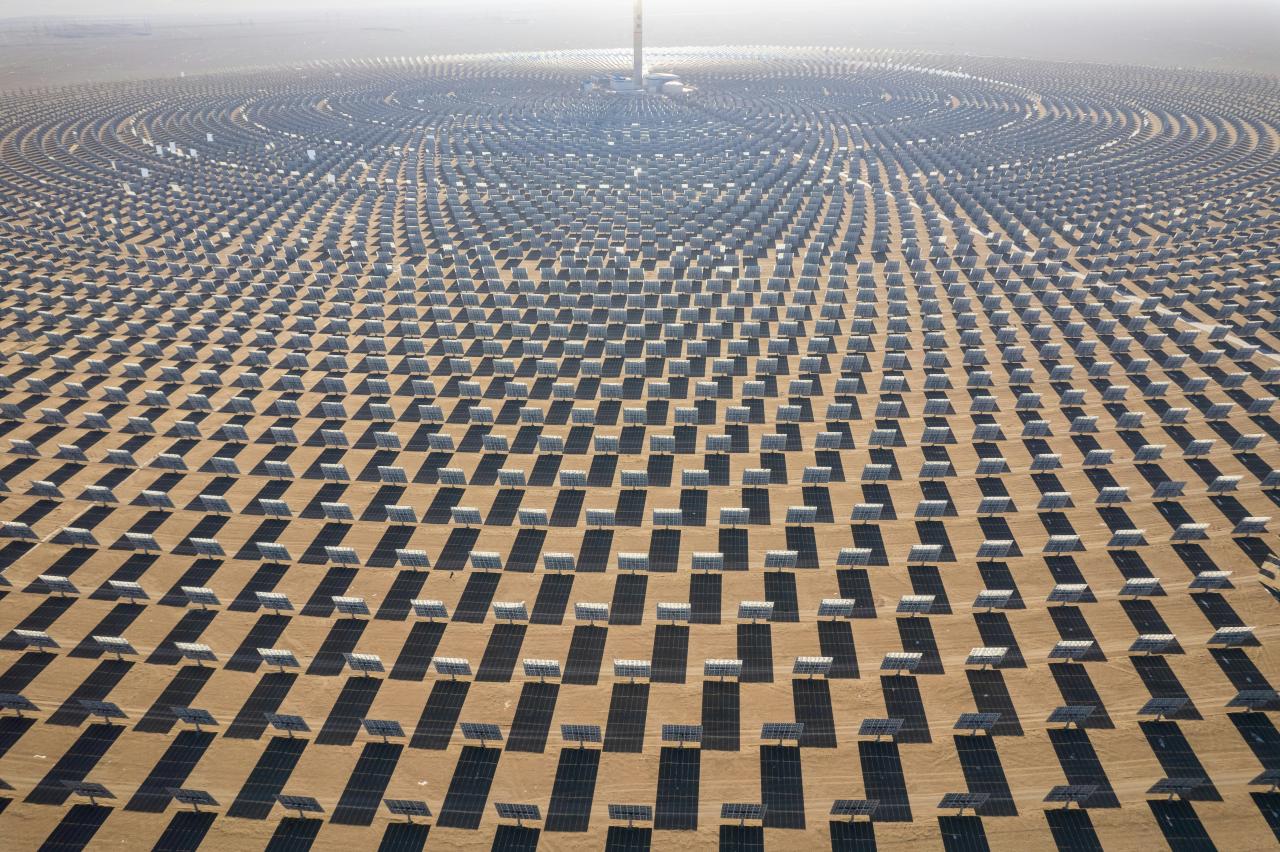
The fusion of technology and environmental science is our best hope for a sustainable future. Every new innovation brings us one step closer to a world in perfect balance. You have a vital role to play in this transition by supporting ethical and green brands.
The tools we have built can now be used to heal the damage of the past. A circular economy is the only way to ensure long-term prosperity for everyone. Clean energy is no longer a distant dream but a rapidly expanding reality. Technology should always be used as a force for good in the natural world.
We must continue to invest in the brilliant minds that are solving these challenges. The health of our planet is the ultimate metric for the success of our civilization. Stay informed and remain optimistic about the power of human ingenuity to change. The digital revolution and the green revolution are now two sides of the same coin. Together, we can build a world where technology and nature thrive in harmony.